
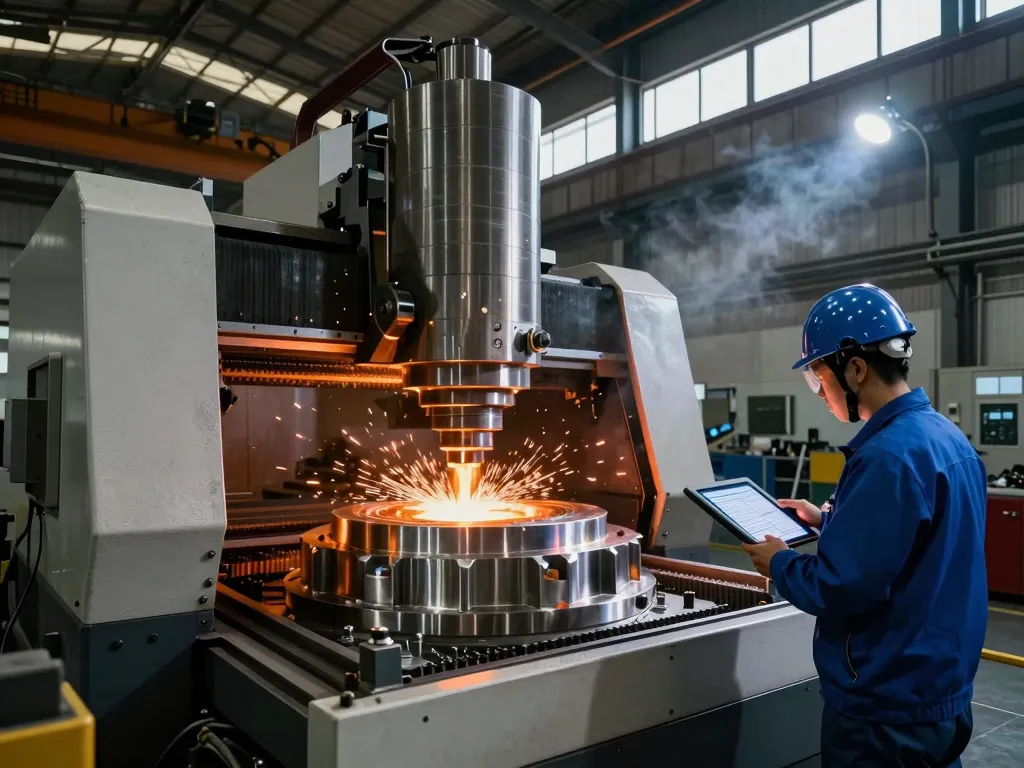
Innovative Technologies Transforming Heavy Industry
The heavy industry landscape is rapidly evolving, driven by technological advancement and the need for increased efficiency and sustainability. Industry leaders are now tasked with not just adopting new technologies, but integrating them into existing frameworks to enhance productivity and reduce operational costs. This section explores some of the most transformative technologies reshaping heavy industry, including automation, artificial intelligence, and advanced materials.
Subsection 1.1: Automation and Robotics Integration
Automation has been a cornerstone of industrial transformation, with robotics playing a pivotal role. By integrating robotics into manufacturing processes, companies can significantly increase production speed and precision. For instance, companies like Siemens have implemented robotic arms in their assembly lines, leading to a reported 30% increase in output efficiency. The key lies in the strategic deployment of robotics to complement human workers, optimizing workflow without sacrificing quality.
Subsection 1.2: Artificial Intelligence in Predictive Maintenance
Leveraging AI for predictive maintenance is revolutionizing asset management in heavy industries. Companies such as General Electric utilize machine learning algorithms to analyze data from machinery, predicting potential failures before they occur. This not only minimizes downtime but also extends the lifespan of equipment. According to GE, their AI-powered predictive maintenance solutions have reduced maintenance costs by up to 25%, illustrating a clear financial incentive for broader adoption.
Subsection 1.3: Advanced Materials and Sustainable Alternatives
The advent of advanced materials, such as carbon fiber composites and bio-based plastics, is enabling industries to reduce weight and enhance performance. Aerospace manufacturers, like Boeing, are increasingly utilizing these materials to improve fuel efficiency and reduce emissions. Furthermore, sustainable alternatives are gaining traction, with companies investing in research to develop biodegradable materials that do not compromise on strength or durability. This shift not only meets regulatory demands but resonates with a growing consumer preference for sustainability.
Strategic Supply Chain Management in Heavy Industry
Effective supply chain management is essential in heavy industry, where complex logistics and high capital expenditures can pose significant risks. The ability to forecast demand accurately and manage resources efficiently can be the difference between success and failure. This section delves into advanced supply chain strategies, emphasizing collaboration, technology integration, and risk management.
Subsection 2.1: Digital Supply Chain Networks
Creating digital supply chain networks allows for real-time visibility and enhanced collaboration among stakeholders. Companies like Caterpillar have implemented cloud-based platforms that facilitate seamless communication between suppliers, manufacturers, and distributors. This approach not only improves transparency but also allows for agile responses to market changes, significantly improving service levels and customer satisfaction.
Subsection 2.2: Risk Mitigation Strategies
Heavy industry is susceptible to various risks, including geopolitical instability, natural disasters, and market fluctuations. Developing robust risk mitigation strategies is critical. For example, companies can implement dual sourcing strategies, ensuring they have multiple suppliers for critical components. Additionally, conducting regular risk assessments and scenario planning can prepare organizations for potential disruptions, safeguarding their operations.
Subsection 2.3: Collaborating for Innovation
Industry collaboration can drive innovation and improve supply chain resilience. Strategic partnerships with technology providers and academic institutions can unlock new capabilities. For example, the collaboration between Rolls-Royce and Siemens has led to advancements in digital twins technology, allowing for better product design and lifecycle management. Such collaborations can enhance competitive advantage and foster a culture of continuous improvement.
Sustainability Initiatives in Heavy Industry
With heavy industry contributing significantly to global carbon emissions, there is an imperative for companies to adopt sustainable practices. This section examines advanced sustainability strategies that can be implemented to minimize environmental impact and align with corporate social responsibility goals.
Subsection 3.1: Energy Efficiency Programs
Implementing energy efficiency programs is a fundamental strategy for reducing carbon footprints. Companies like ArcelorMittal have invested heavily in energy recovery systems, capturing waste heat from industrial processes and repurposing it for energy generation. This not only lowers energy costs but also enhances overall operational efficiency, showcasing a win-win scenario for businesses aiming for sustainability.
Subsection 3.2: Circular Economy Strategies
Shifting toward a circular economy is essential for sustainable growth. Heavy industries are adopting practices such as recycling and reusing materials within their production processes. For instance, Volvo has introduced initiatives to reclaim and recycle automotive parts, reducing waste while minimizing the need for virgin materials. This not only reduces environmental impact but also cuts costs associated with raw material procurement.
Subsection 3.3: Carbon Neutral Goals
Setting carbon neutrality goals is becoming increasingly commonplace in heavy industry. Companies like BMW are committing to achieving carbon neutrality across their production processes by implementing renewable energy sources and optimizing manufacturing techniques. By establishing clear and measurable targets, these organizations can drive accountability and foster a culture of sustainability that permeates all levels of operation.
Workforce Development and Skills Enhancement
As technologies evolve, the need for a skilled workforce that can adapt to new tools and processes becomes paramount. This section focuses on strategies for workforce development that can ensure companies remain competitive and capable of meeting the demands of modern heavy industry.
Subsection 4.1: Upskilling and Reskilling Programs
Investing in upskilling and reskilling programs is vital for keeping the workforce relevant. Companies like Bosch have implemented comprehensive training programs that incorporate new technology training and soft skills development. By fostering a culture of continuous learning, organizations can better prepare their employees for the challenges of tomorrow’s heavy industry landscape.
Subsection 4.2: Collaboration with Educational Institutions
Forming partnerships with educational institutions can bridge the skills gap that many industries face. Companies like Siemens are collaborating with universities to develop curricula that align with industry needs, ensuring that graduates possess the skills required for modern roles. This proactive approach not only enhances the talent pipeline but also strengthens community ties.
Subsection 4.3: Diversity and Inclusion Initiatives
Diversity and inclusion are critical to fostering innovation and improving problem-solving capabilities within teams. Heavy industry leaders are increasingly recognizing the value of diverse perspectives. For instance, companies like Shell have rolled out initiatives aimed at increasing female representation in technical roles, resulting in enriched team dynamics and improved outcomes. Fostering an inclusive environment is not just a moral imperative; it is a strategic advantage.
Leveraging Data Analytics for Strategic Decision-Making
Data analytics has emerged as a powerful tool for strategic decision-making in heavy industry. The ability to collect, analyze, and interpret data enables organizations to make informed decisions that drive efficiency and profitability. This section explores the advanced applications of data analytics across various aspects of heavy industry.
Subsection 5.1: Operational Performance Monitoring
Utilizing data analytics for operational performance monitoring allows companies to identify inefficiencies and optimize processes. For example, companies like Honeywell have implemented real-time data monitoring systems that provide insights into production processes. This information enables managers to make timely adjustments that enhance overall productivity, demonstrating the tangible benefits of data-driven decision-making.
Subsection 5.2: Market Demand Forecasting
Accurate market demand forecasting is crucial for effective resource allocation. Companies like Tata Steel employ advanced analytical models to predict market trends and consumer behavior. By leveraging big data and machine learning, Tata Steel can adjust production schedules proactively, thereby reducing excess inventory and associated holding costs. This strategic foresight is essential in maintaining competitive advantage in fluctuating markets.
Subsection 5.3: Enhancing Safety and Compliance
Data analytics also plays a significant role in enhancing safety and compliance within heavy industries. Organizations are utilizing predictive analytics to assess safety risks and implement necessary measures to prevent accidents. For instance, BP uses data analytics to monitor operational hazards, resulting in a marked improvement in safety performance. By prioritizing safety through data-driven insights, organizations can not only protect their workforce but also mitigate legal and financial risks.